
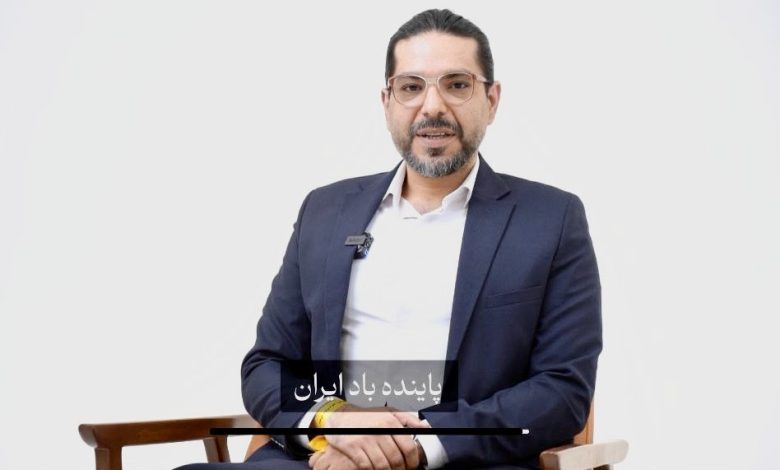
Interview with AmirSajjad Talebi, Campaign Manager of “For the Children of Iran”
Introduction
In a situation where social and economic crises have taken hope away from many, the “For the Children of Iran” campaign seeks to break the silence of children in underprivileged areas and build the resilience of tomorrow’s generation. AmirSajjad Talebi, the campaign manager of this project, speaks about the concerns, goals, and pathways of this movement.
Question 1: Where did the idea for launching the campaign originate?
The idea started from a deep void; from the painful reality that we live in a society where people matter the least. After years of searching, I realized that meaning is created — and I decided that the meaning of my life should be creating value for others. When I saw that children in deprived areas don’t even have the chance to be heard, I understood that we must break the silence and build a safe psyche for the children.
Question 2: What is the main goal of the campaign?
If I want to say it in one sentence: this campaign was created to awaken the “Happy Child” and build the resilience of the next generation.
Question 3: What psychological or humanistic concepts inspired the design of the campaign messages?
We were inspired by schema therapy, the Happy Child mode, and humanistic approaches. When a child learns that their emotions are valuable, when parents learn emotional regulation skills, and when teachers become empowered, a society emerges that is no longer a victim of determinism.
Question 4: What is the symbolic meaning behind the name “For the Children of Iran”?
This name does not refer only to real children; it is a metaphor for the inner child within all of us. It reminds us that every Iranian deserves to be happy, to grow, and to have a bright future — something that has been withheld from people for many years.
Question 5: In today’s environment filled with crises and hopelessness, what feeling does this campaign aim to awaken in society?
We want to revive collective hope. Against daily crises and economic pressures that kill hope, we say that a better future can still be built. This movement is a “no” to despair.
Question 6: What specialties and fields make up the campaign team?
Our team is a combination of psychologists, artists, social activists, media managers, and dedicated volunteers. The scientific leadership is overseen by Dr. Mohammad Faghanpour Ganji, the international Schema Therapy ambassador in Iran. This diversity means we are not merely making slogans; we have brought science, art, and lived experience together.
Question 7: How have the campaign’s operational and media programs been designed?
The operational programs include play-based sessions for children, educational workshops for parents, training for local therapists, production of short videos, documentation, and communication through social media. In the end, for full effectiveness and trust-building, we have arranged food baskets for families and children, because a hungry mind cannot learn or heal.
Question 8: What has the public and professional response to the campaign been so far?
The responses have been positive; mental health professionals see this movement as necessary and have expressed readiness to participate, and people have enthusiastically shared the messages. Society is ready to talk about the mental health of the new generation, even if some prefer these voices to remain silent.
Question 9: If you look at this campaign from the perspective of schema therapy, which schemas do you think you are targeting?
We are targeting the schemas of abandonment, mistrust, emotional deprivation, and culturally driven unrelenting standards. These are the same wounds that form before the age of 12, and if they are not healed, society itself becomes wounded.
Question 10: Finally, what is your message to parents, psychologists, and the people of Iran?
My message is simple:
For Iran and for the children of Iran, let’s break the silence and rebuild hope.
