Introduction
You may have often wondered why certain repetitive patterns—fear of rejection, feelings of helplessness, eroding relationships—keep coming back. The answer may lie in “schemas.” In this article, we explain in simple terms what schema therapy is, why it matters, how it works, and where to get started.
What is a schema?
A “schema” is a relatively stable mental and emotional pattern that is formed in childhood and that acts as an unconscious map of our thoughts, feelings, and behavior into adulthood. When this map is maladaptive, it leads us to repetitive and damaging choices and reactions.
Common Examples of Maladaptive Schemas
– Abandonment/Instability: Fear of being abandoned by important people.
– Deficiency/Shame: Feeling “I’m flawed” and avoiding intimacy.
– Emotional deprivation: The belief that emotional needs are never met.
What is schema therapy?
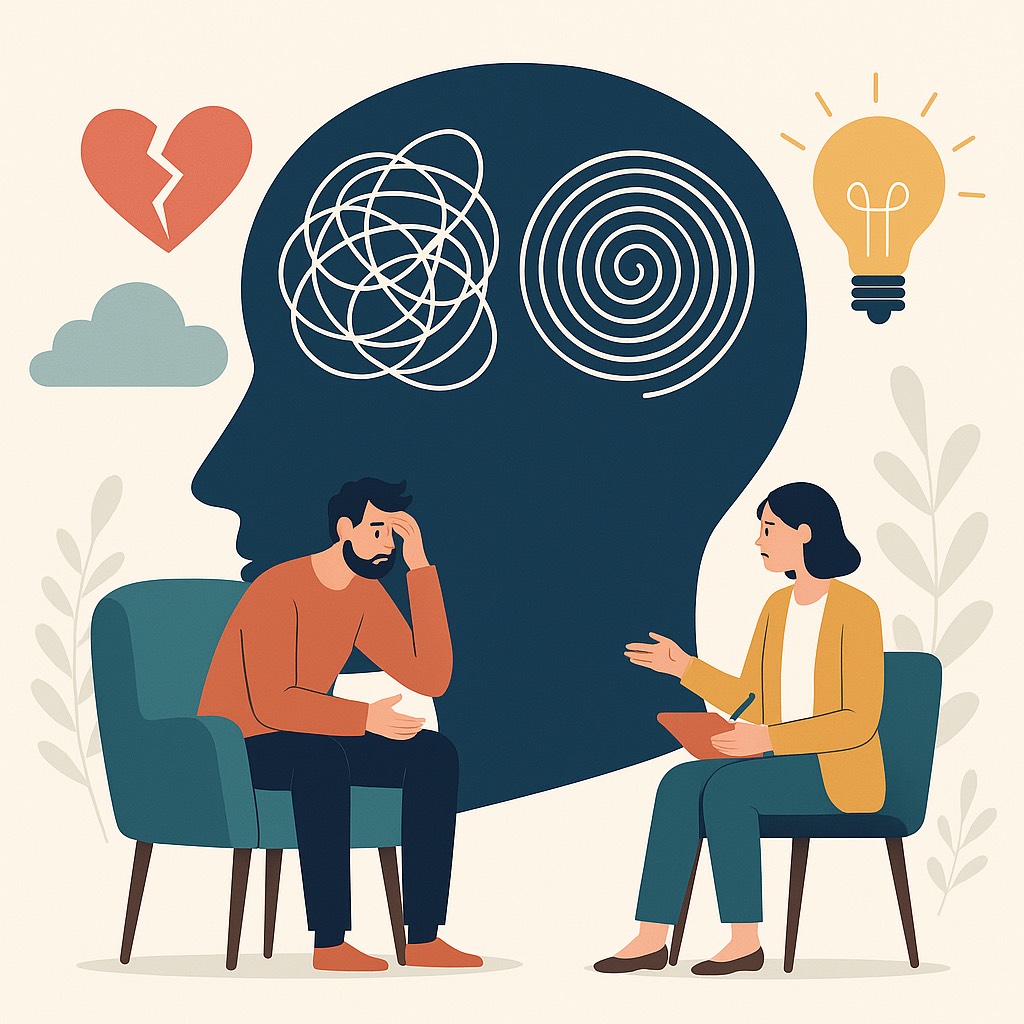
Schema therapy is an integrative approach developed by Dr. Jeffrey Young that combines elements of cognitive-behavioral, psychodynamic, and emotional intelligence. It aims to identify and change early maladaptive schemas and the behavioral patterns that result from them.
What issues can be improved with schema therapy?
– Recurrent problems in emotional and family relationships
– Chronic or resistant depression and anxiety
– Problematic personality patterns (such as borderline, dependent, or avoidant)
– Low self-esteem and feelings of emptiness
Practical steps in schema therapy
1) Assessment and labeling: Completion of questionnaires (such as the YSQ) and clinical interview to identify schemas.
2) Emotional and experiential work: Guided imagery, imaginative dialogue, and limited arm movements to repair unmet needs.
3) Cognitive restructuring: challenging core beliefs and replacing them with more consistent interpretations.
4) Behavioral practice: setting boundaries, expressing needs, self-care, and healthy communication patterns.
Benefits of Schema Therapy
– Focuses on the roots rather than just the symptoms
– Creates lasting, structural changes in the “mental map”
– Increases self-awareness and a sense of personal agency
– Can be used in individual therapy, couples therapy, and even organizational settings
Where do I start?
If you feel stuck in old cycles, choose a therapist trained in schema therapy, set specific goals, and take home exercises seriously. Familiarizing yourself with reliable resources and keeping a diary of schema states can accelerate the process of change.
Conclusion
Schema therapy is a profound path to breaking free from maladaptive patterns and building a new narrative of life. By identifying schemas, working through emotions, and practicing new skills, you can stop the cycle of repetition and build safer relationships, a healthier self-concept, and more informed decisions.
Social network are empty! Please check your configurations.